
Total Knee Replacement
Information published by IRCOS about Total Knee Replacement: relevant practitioners, available content and related documents to help you prepare for your consultation.
Total knee replacement (TKA) is a surgical procedure intended to replace the damaged knee joint with an artificial prosthesis. It is commonly performed to relieve pain and restore mobility in patients suffering from advanced osteoarthritis, rheumatoid arthritis or other degenerative knee pathologies. Indications for Total Knee Prosthesis
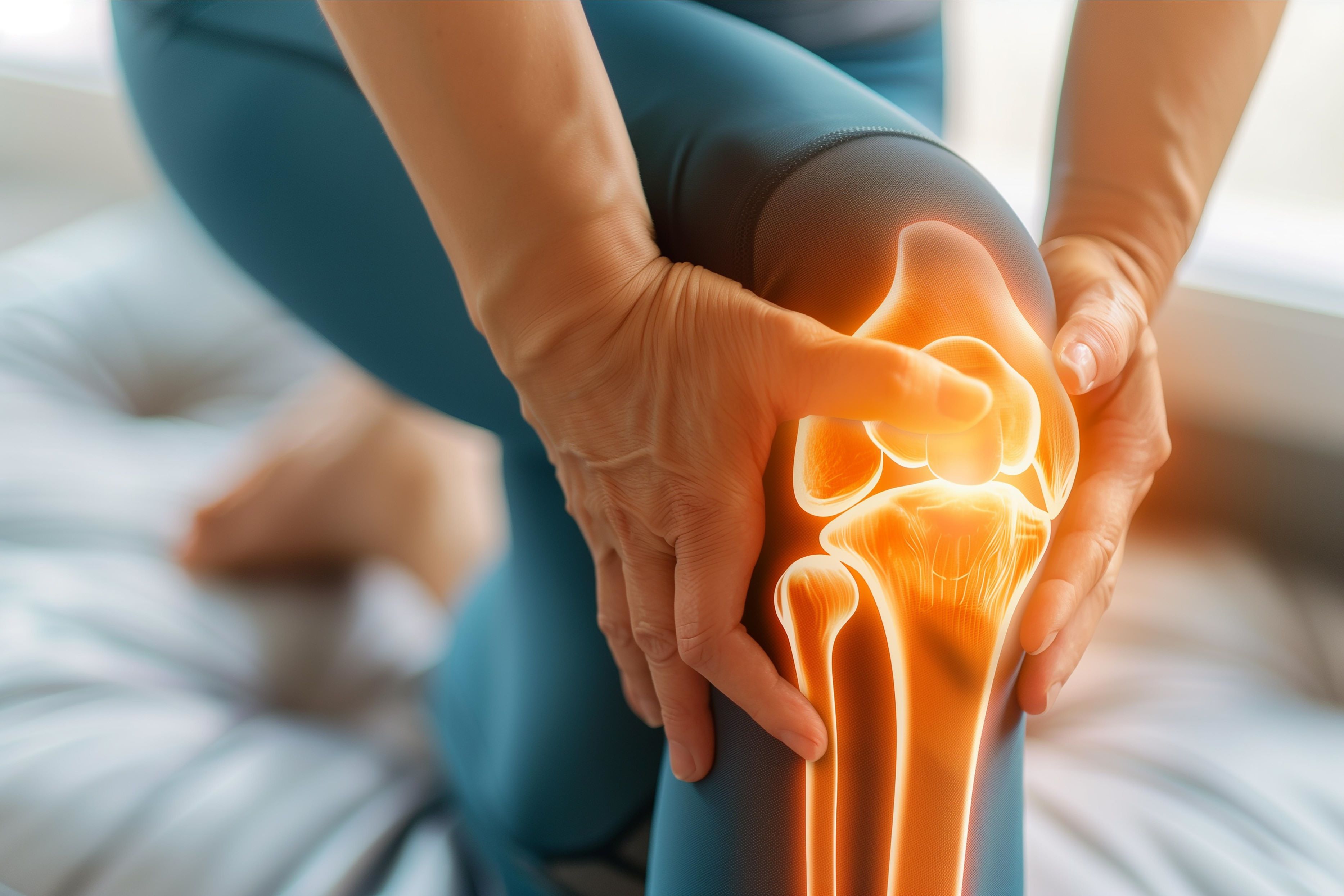
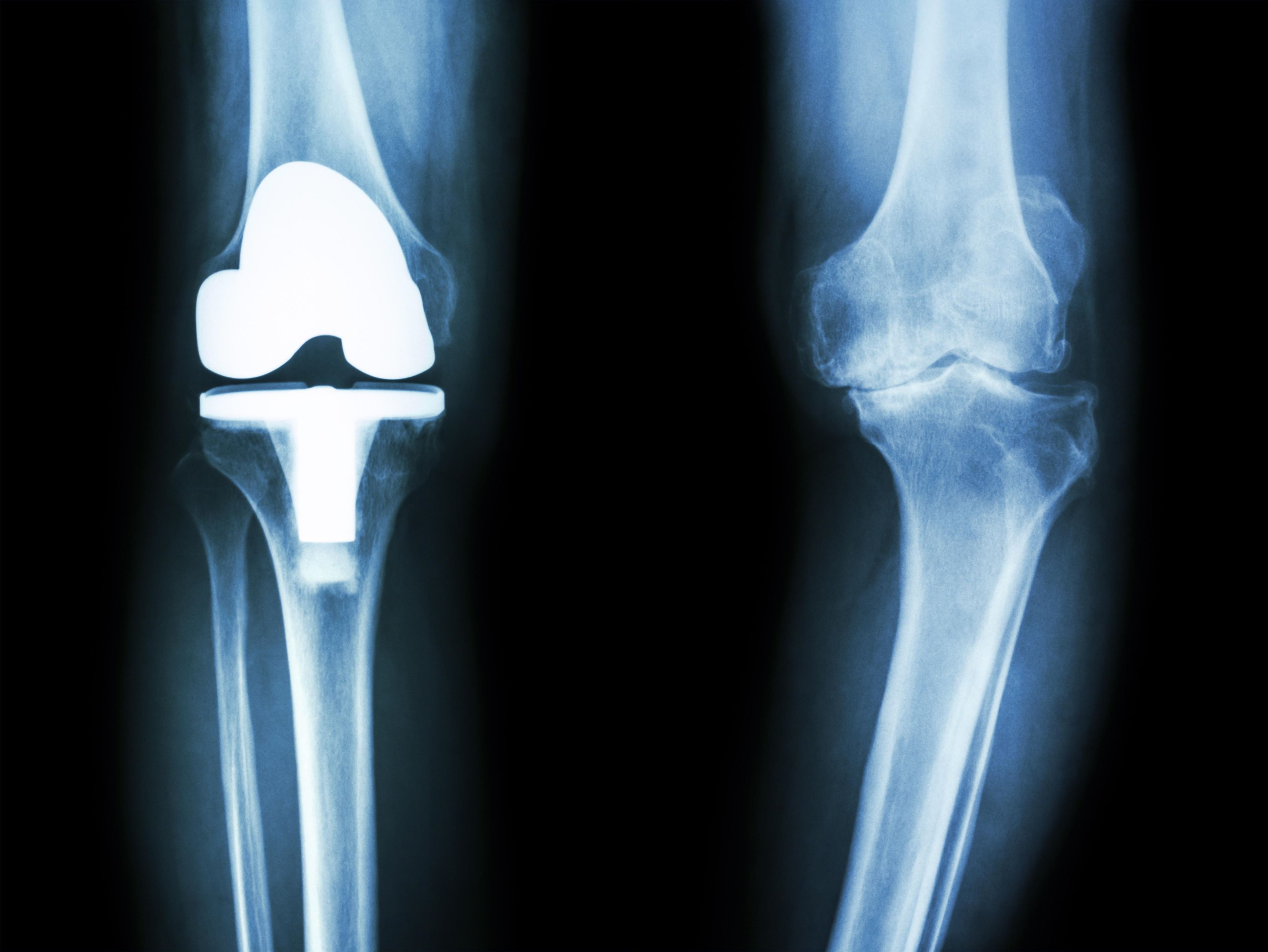
The main indication for a total knee prosthesis is severe gonarthrosis (osteoarthritis of the knee), which causes disabling pain and a significant reduction in mobility. This progressive degeneration of cartilage can lead to friction between the bones (femur, tibia and kneecap), causing chronic pain and functional disability.
Indication criteria include:
•Intense and persistent paindespite well-conducted medical treatment (analgesics, anti-inflammatories, infiltrations).
•Significant limitation of mobility and difficulties in daily activitiessuch as walking, climbing stairs, or even standing.
•Knee deformity(genu varum or genu valgum) due to joint degradation.
•Failure of other conservative treatment options, such as rehabilitation or wearing knee pads.
TKA can also be considered in patients suffering from rheumatoid arthritis or after serious knee trauma leading to destruction of the joint.
Progress of the procedure and 3-day hospitalization
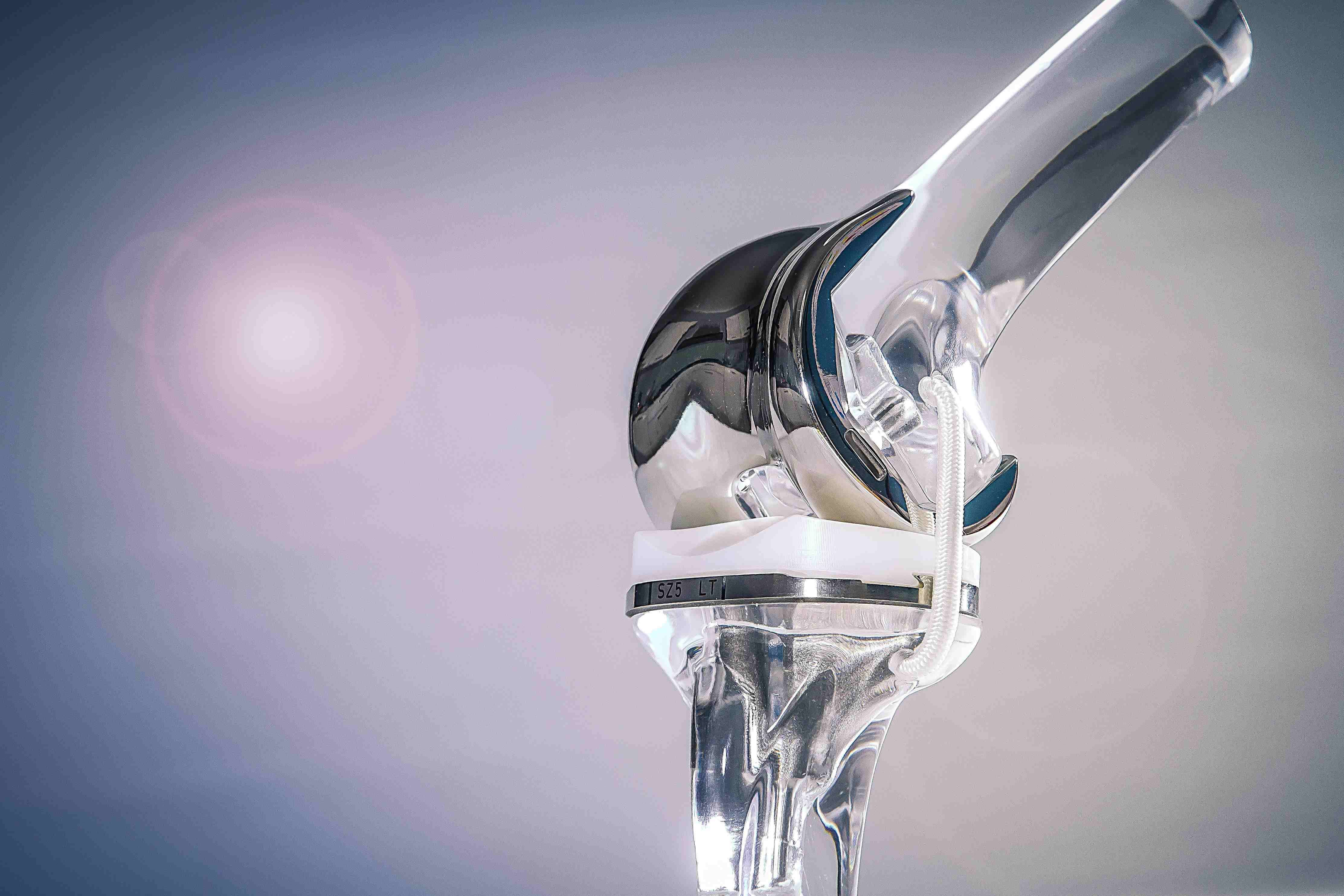
With advances in surgical techniques and perioperative care,hospitalizationfor a total knee prosthesis can be reduced to2 or 3 days. This rapid treatment is based on early rehabilitation and effective pain management.
The intervention generally lasts1 to 2 hours.The surgeon replaces the damaged parts of the femur, tibia and patella with metal and plastic components of the prosthesis. Surgery is performed under general anesthesia or spinal (epidural) anesthesia depending on medical indications and patient preferences.
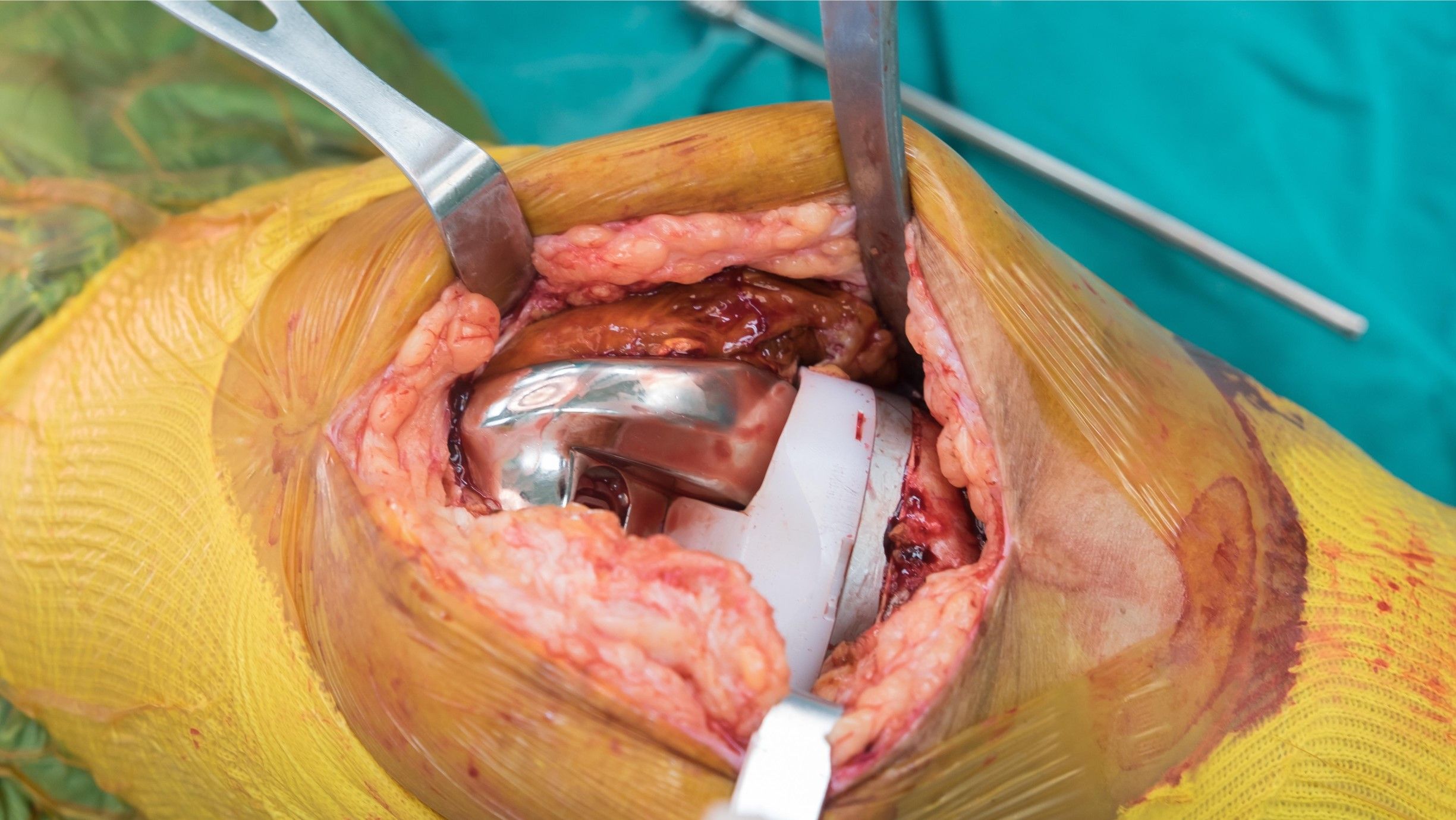
After the operation, the patient is placed in the recovery room for a few hours for monitoring. A pain management protocol is immediately put in place to ensure patient comfort. The next day, a team of physiotherapists begins functional rehabilitation with knee mobilization exercises and assisted walking sessions.
Perioperative Modalities
1. Pain management:
Pain control is a priority after TKA. A multimodal pain management protocol is often implemented, including analgesics, anti-inflammatories and, in certain cases, local anesthetic infiltrations. Optimal pain management helps promote early mobilization.
2. Early rehabilitation:
Rehabilitation begins the day after the operation. The objectives are to gradually restore mobility to the joint and allow the patient to walk with aids (crutches) quickly. The physiotherapist helps to strengthen the muscles and regain a correct range of movement, while preventing stiffness and complications such as phlebitis.
3. Return home:
After 3 days, if the patient's general condition allows it, he or she can return home with a rehabilitation plan at home or in a specialized center. Regular physiotherapy sessions are recommended to continue recovery and optimize results.
Benefits of Total Knee Prosthesis
TKA offers very satisfactory results for the majority of patients:
• Significant pain relief: Disabling pain caused by osteoarthritis is significantly reduced or even eliminated.
• Improved mobility: Patients regain sufficient range of motion to resume activities of daily living, such as walking and climbing stairs.
• Correction of deformities: In addition to restoring joint function, the prosthesis can correct deformities such as genu varum (arched knees) or genu valgum (X-shaped knees).
• Improved quality of life: Pain relief and restoration of joint function allow a return to a more active and independent life.
Risks and Complications
Although total knee replacement is a common procedure, it is not without risks, including:
•Infections: As with any surgery, there is a risk of post-operative infection, which may require antibiotic treatment or, in severe cases, re-operation.
•Phlebitis:Blood clots can form in the veins of the legs (phlebitis), requiring preventative measures such as wearing compression stockings and blood thinners.
•Joint stiffness: If rehabilitation is not followed well, joint stiffness can occur, limiting the range of movement.
•Unsealing the prosthesis: Although modern knee prostheses have a long lifespan, complications such as loosening or premature wear may require surgical revision.