
Total Hip Replacement
Information published by IRCOS about Total Hip Replacement: relevant practitioners, available content and related documents to help you prepare for your consultation.
Total hip replacement (THA) is one of the most commonly performed surgical procedures in orthopedics, particularly in people suffering from severe osteoarthritis or degenerative hip disorders. Among the various surgical techniques available, the anterior approach is gaining popularity due to its benefits to patients in terms of recovery and post-operative comfort.
What is a Total Hip Prosthesis?
A total hip prosthesis involves replacing the damaged hip joint with an artificial joint, consisting of a prosthetic femur and a cup attached to the pelvis. This procedure aims to relieve pain, improve mobility and restore a better quality of life in patients.

The Anterior Path: What does it consist of?
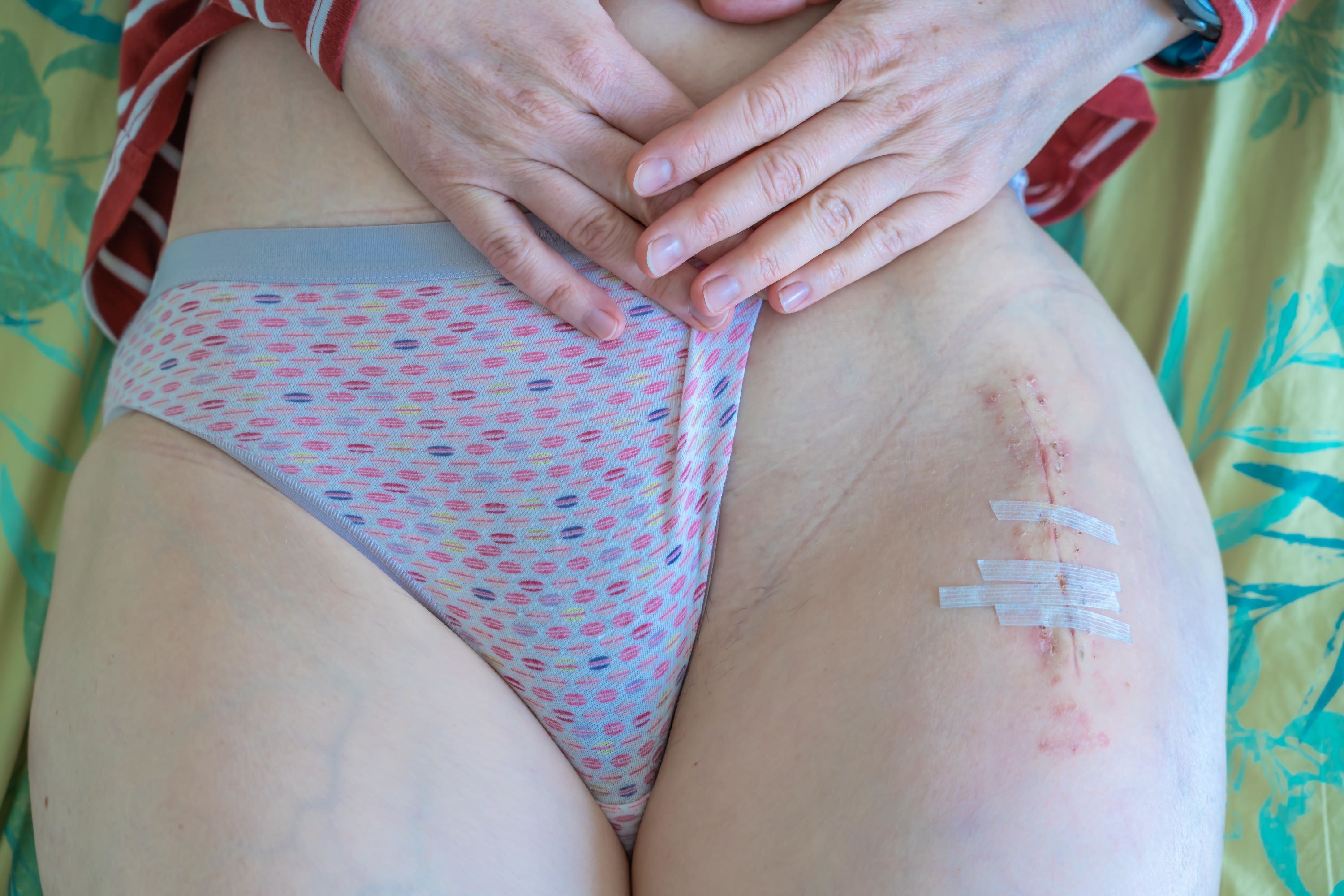
The anterior approach is a minimally invasive surgical technique, where the surgeon accesses the hip joint through the front of the thigh. Unlike traditional approaches (posterior or lateral), this method avoids cutting the muscles and tendons around the hip, which facilitates a faster and less painful recovery.
Advantages of Anterior Total Hip Prosthesis
Faster recovery: With muscle preservation, patients can regain mobility more quickly, with earlier walking and an accelerated return to daily activities.
Less post-operative pain: The absence of muscle cutting minimizes pain, reducing the need for strong painkillers and improving overall patient comfort.
Reduced risk of dislocation: The anterior approach is associated with a lower risk of dislocation of the prosthesis, because the stabilizing muscular structures are not disrupted.
Disadvantages and Limitations
Although the anterior approach has many advantages, it also has limitations and is not suitable for all patients. For example, patients with unique anatomy or severe hip deformities may not be good candidates for this approach. Likewise, patients with severe android obesity with a deep inguinal fold will not be operated on via the anterior route.
In this case the intervention will be carried out via a posterolateral approach which also gives very good results.
The Operating Process
The procedure usually takes place under general or regional anesthesia and lasts approximately 60 to 90 minutes. After the incision, the surgeon uses specific instruments to prepare the joint and insert the prosthesis. Thanks to intraoperative imaging, the positioning of the implant is optimized to ensure the best possible stability and longevity.
Rehabilitation after anterior THA
One of the main advantages of this approach is the speed of rehabilitation. Patients can usually walk the same day after surgery with the help of canes and most patients return to normal activity within 6 to 8 weeks.