
Achilles Tendon Rupture
Information published by IRCOS about Achilles Tendon Rupture: relevant practitioners, available content and related documents to help you prepare for your consultation.
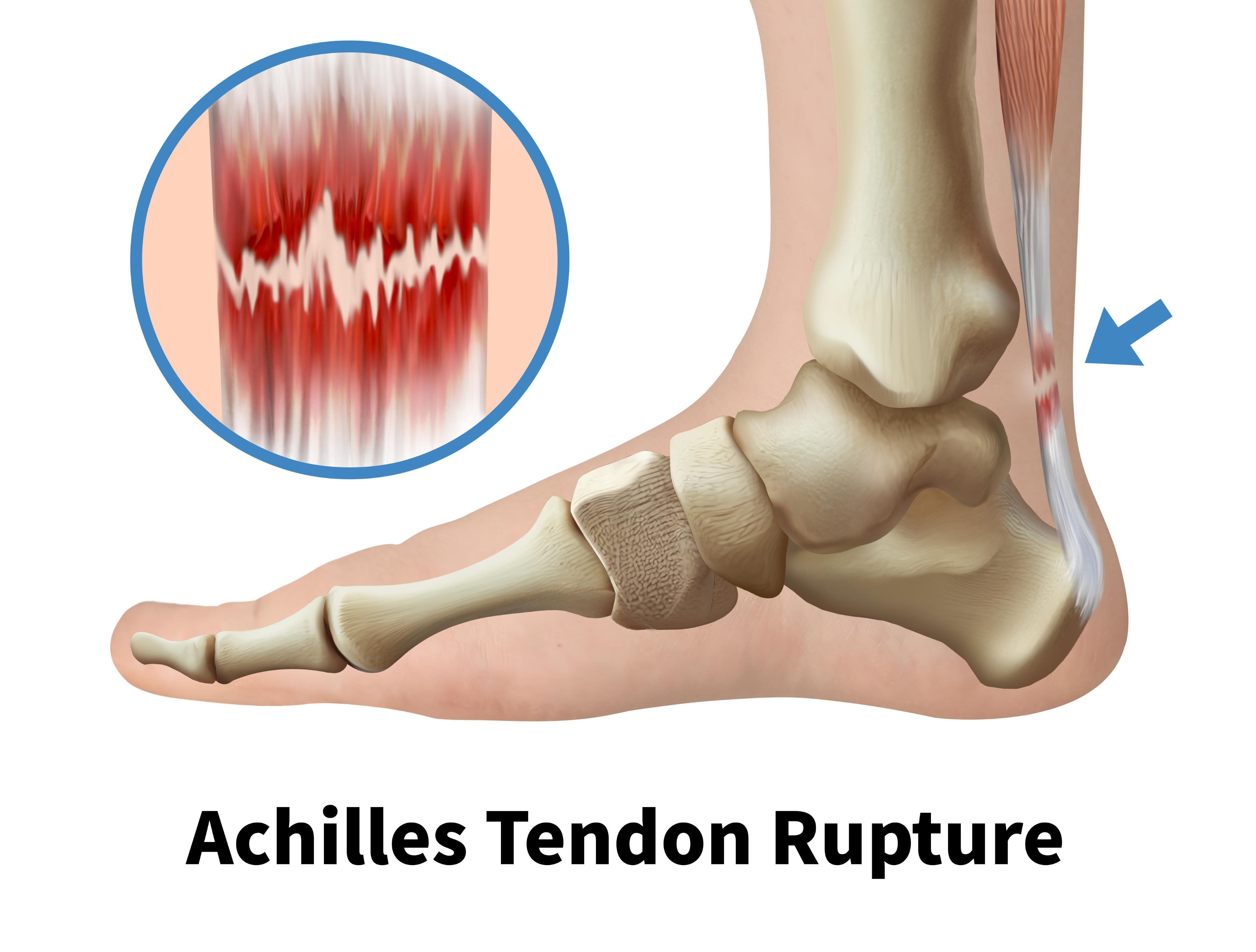
Achilles tendon rupture is a common injury, particularly among active and athletic adults. This is a partial or complete tear of the tendon at the back of the ankle, which connects the calf muscle to the heel bone. This injury often occurs during a sudden movement or intense physical activity, such as jumping or a rapid change of direction. One of the commonly proposed and most reliable surgical solutions to treat this rupture is open suture.
What is open suturing?
Open suturing is a surgical technique where an incision is made in the skin, allowing the surgeon to have direct access to the Achilles tendon to repair it. Unlike minimally invasive methods, this approach allows a more direct view of the injured area, which can facilitate the precision of the suture and ensure better strength of the repair.
Why choose open suture?
The decision to proceed with open suturing depends on several factors, such as:
The severity of the rupture: When the tendon is completely ruptured, this method allows for better repair, especially if the ends of the tendon are far apart.
The condition of the patient: this technique is intended for athletic patients and in good general condition; it should be avoided in elderly and diabetic patients.
Achilles tendon rupture is a common injury, particularly among active and athletic adults. This is a partial or complete tear of the tendon at the back of the ankle, which connects the calf muscle to the heel bone. This injury often occurs during a sudden movement or intense physical activity, such as jumping or a rapid change of direction. One of the surgical solutions commonly proposed to treat this rupture is open suture.
What is open suturing?
Open suturing is a surgical technique where an incision is made in the skin, allowing the surgeon to have direct access to the Achilles tendon to repair it. Unlike minimally invasive methods, this approach allows a more direct view of the injured area, which can facilitate the precision of the suture and ensure better strength of the repair.
Why choose open suture?
The decision to proceed with open suturing depends on several factors, such as:
The severity of the rupture: When the tendon is completely ruptured, this method allows for better repair, especially if the ends of the tendon are far apart.
The patient's condition: For some people, especially those who have an increased risk of complications (smokers, diabetics, etc.), an open suture offers better control of the situation.
Surgeon preferences: Some surgeons prefer this technique for its visibility and precision.
The procedure for outpatient surgery
Open suture of the Achilles tendon can be performed as an outpatient surgery, meaning the patient does not need to stay overnight in hospital. Here is how the procedure generally takes place:
Anesthesia: Regional anesthesia (anesthesia around the leg) or general anesthesia is administered to ensure that the patient does not feel any pain during the operation.
Incision: The surgeon makes an incision at the back of the ankle to access the ruptured tendon.
Suturing the tendon: The two ends of the tendon are brought together and sutured together with special strong threads to ensure good strength of the repair.
Closure of the wound: Once the suture is made, the skin is closed using stitches or surgical glue.
Immobilization: After the procedure, the ankle is immobilized with a boot or a cast to allow the tendon to heal.
The advantages of outpatient surgery
Opting for open suture in outpatient surgery has several advantages:
.
Comfort: Returning home quickly promotes recovery in a familiar, often more relaxing environment.
Recovery after surgery
Rehabilitation is an essential step in the healing process after an Achilles tendon rupture. Immobilization for around six weeks is often necessary, followed by rehabilitation sessions to regain the strength and flexibility of the tendon and surrounding muscles.
The first weeks require particular caution, as any premature stress on the tendon can lead to a new rupture. Resumption of sporting activities is generally possible after 4 to 6 months, depending on the progress of the healing.
Possible risks and complications
Like any surgical procedure, open suturing presents certain risks, although they are rare. Potential complications include:
Infection: As with any incision, there is a risk of infection, although this risk is reduced with proper care.
Healing Problems: Some patients may have difficulty healing, particularly if they have a complex medical history.
Venous thrombosis: The formation of blood clots is a potential risk, particularly if mobility is reduced after the procedure.
The procedure for outpatient surgery
Open suture of the Achilles tendon can be performed as an outpatient surgery, meaning the patient does not need to stay overnight in hospital. Here is how the procedure generally takes place:
Anesthesia: Regional anesthesia (anesthesia around the leg) or general anesthesia is administered to ensure that the patient feels virtually no pain during the operation.
Incision: The surgeon makes an incision at the back of the ankle to access the ruptured tendon.
Suturing the tendon: The two ends of the tendon are brought together and sutured together with special strong threads to ensure good strength of the repair.
Closure of the wound: Once the suture is made, the skin is closed very carefully using separate stitches with a slow absorption thread used in cosmetic surgery
Immobilization: After the procedure, the ankle is immobilized with a removable boot so the inclination can be adjusted
The advantages of outpatient surgery
Opting for open suture in outpatient surgery has several advantages:
Rapid recovery: The patient can go home the same day of the operation.
It is undeniably the most reliable technique with a rupture rate of less than 2% whereas it is around 10% in percutaneous surgery and 20% after orthopedic treatment.
Recovery after surgery
Rehabilitation is an essential step in the healing process after an Achilles tendon rupture. Immobilization of six weeks is necessary.
At the end, support is authorized without boots under cover of heel pads of gradually decreasing size over 6 weeks also.
rehabilitation begins when the boot comes out, therefore on D45
The first weeks require particular caution, as any premature stress on the tendon can lead to a new rupture. You should be particularly vigilant during the healing phase and observe long periods of rest with the foot horizontal during the 15 days post-operatively to avoid any skin suffering.
Resumption of sporting activities is generally possible at 6 months, depending on the progress of the healing.
Possible risks and complications
Like any surgical procedure, open suturing presents certain risks, although they are rare. Potential complications include:
Infection: As with any incision, there is a risk of infection, although this risk is reduced with proper care.
Healing Problems: Some patients may have difficulty healing, particularly if they have a complex medical history.
Venous thrombosis: The formation of blood clots is a potential risk, particularly if mobility is reduced after the procedure.